Discussion Prompt by Bryan White
As I sit to consider how to kick off our discussion concerning our easy, breezy, feel-good book of the summer, Larry McMurtry’s Horseman, Pass By, the most obvious thing that stands out is that I’m not sure I need to do much provoking here—the book is plenty provocative without me. So I want to turn a little bit to what we might expect out of a western, and what we get here.
In the western genre, we typically see a hero cowboy come into a territory that he needs to bring under control. Whether that control comes through the overpowering of the Native Americans that live there, or whether that’s through the defeat of some malfeasant, corrupt local body, one thing is clear to the reader—our hero deserves that territory. He is in the right, and whoever or whatever the other is is in the wrong.
McMurtry’s novel doesn’t seem to follow this formula as closely, but it seems to me McMurtry is not interested in the above untroubled vision of the western. He wants to show the warts and all. We see the story from Lonnie’s perspective, so we’re encouraged to side with him and even think of him as our protagonist, but it’s difficult to say that the main character of the story is anyone other than Hud because to paraphrase Lonnie, Hud does whatever he wants to do. He looms large even in his frequent absences in the book. This is troubling, because Hud is no hero, and to my mind, he’s not even an anti-hero. He’s our antagonist/villain. He starts the novel by taking the last of the peach ice cream when not everybody has had some. He decides he wants Halmea, so he assaults her. He decides he is owed the ranch even before it’s passed down to him, so he sells a part of it in a convoluted deal. There’s some vagueness concerning his murder of Homer at the end, but it’s clear that Hud wants rid of him throughout the novel, and he gets that too.
In short, we have our main character, untroubled by taking what he wants, just as in a traditional western, but here, it’s not clear to the reader he deserves it. We are troubled by this critique of the genre through a creation within the genre. All Lonnie can do in the novel is to simply leave; he can’t live in a world where Hud’s the one in charge.
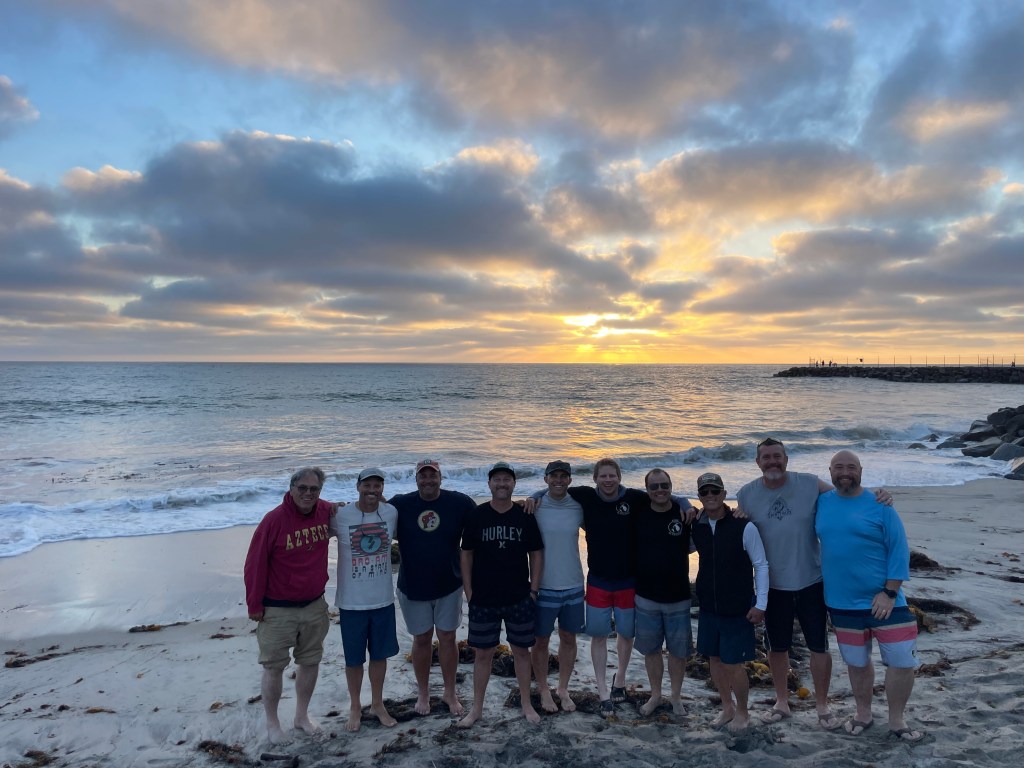
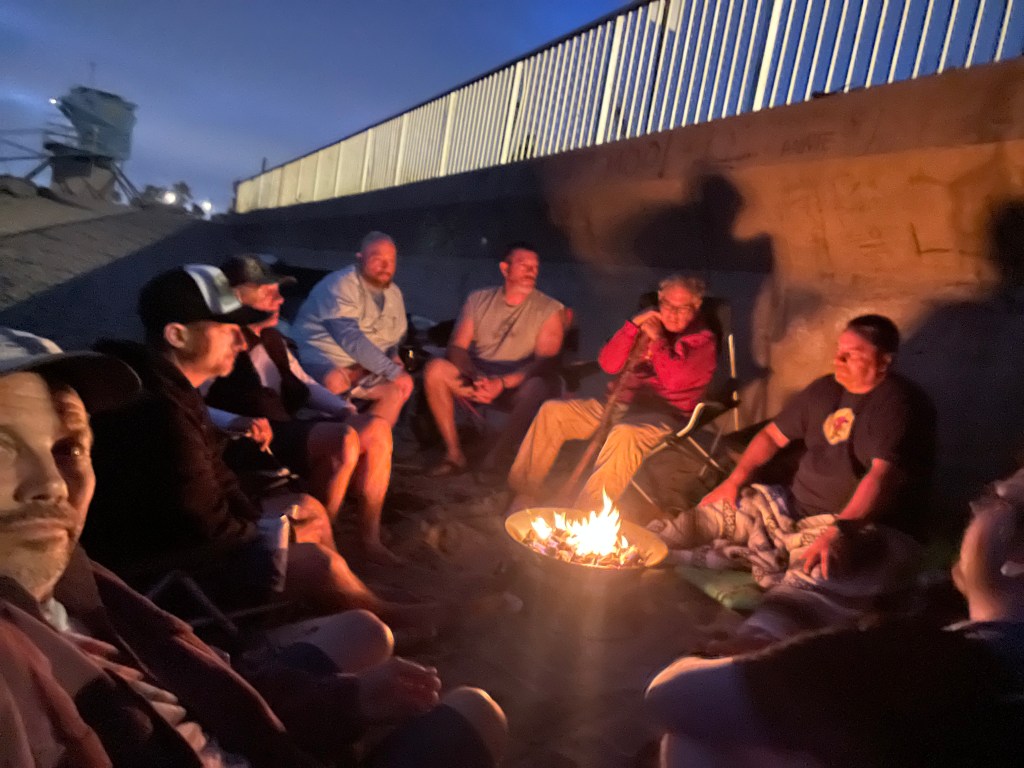
So as we sit here about as far west as we can be without getting wet, having staked out our own plot of land, considering the merits of this book or whether, to paraphrase a great turn of phrase by Seth, we should have let this horseman pass by, I hope we can be untroubled in our discussion and our time together.



 Ink & Stone